We usually think of team conflict as a bad thing. But is it always?
I recently worked with an organization that was struggling with high turnover.
When I asked what they thought was causing it, they told me, “Honestly, we don’t know. Everyone here gets along great. Nobody argues. Nobody disagrees. We’re all just… nice.”
To most people, that sounds like a dream team.
But to me, it was a flashing red light.
They were suffering from artificial harmony — and it was killing their performance from the inside out.
Artificial Harmony Is Like Termites to Your Team Culture
Things look fine on the surface.
But underneath, artificial harmony quietly eats away at trust, unity, and performance.
As a leader, you’ve got to uproot artificial harmony the moment it shows up.
Ignoring it doesn’t protect your team; it only feeds the drama that follows.
High fives in the hallway, knives in the back behind closed doors
Artificial harmony is when everything looks good on the outside smiles, high fives, and hugs in the hallway, but behind closed doors, there’s gossip, resentment, and frustration.
It’s the appearance of peace without people being honest with each other.
Just like termites silently compromise a structure, fake harmony weakens your team’s foundation.
It keeps people polite instead of real.
Compliant instead of committed.
Why “Nice” Isn’t Always Healthy
Healthy teams don’t avoid disagreement; they engage in it productively.
When team members are afraid to challenge ideas or express concerns, they don’t stop having opinions.
They just stop sharing them.
And those buried opinions turn into frustration, resentment, and quiet disengagement.
Conflict isn’t the problem.
Unspoken conflict is.
Respectful disagreement is how ideas sharpen, strategies strengthen, and trust deepens.
Some of the best breakthroughs I’ve seen have come from two people who cared enough to challenge each other and wrestle their way to a better solution.
When everyone’s too “nice,” you lose that tension.
You lose the spark.
And your culture starts dying a slow, silent death.
The Cost of Avoidance
Avoiding difficult conversations might feel easier in the moment, but it compounds over time.
Unspoken tension doesn’t dissolve, it just hides until it explodes.
Feelings buried alive never die.
They manifest over time as drama, disengagement, and mistrust.
If you want a team built on trust, harmony, and respect, you have to be intentional about rooting out artificial harmony whenever it appears.
How to Bring Hidden Conflict to the Surface
As a leader, pay attention to what’s not being said.
What is the elephant in the room?
My friend and colleague Jeff Wiberg teaches companies to “WEEFL”
WEEFL stands for… We Eat Elephants for Lunch!
You can often spot elephants in body language, the person who goes quiet, looks away, or gives a polite “sounds good” when you can tell there is not real agreement.
Time to eat an elephant.
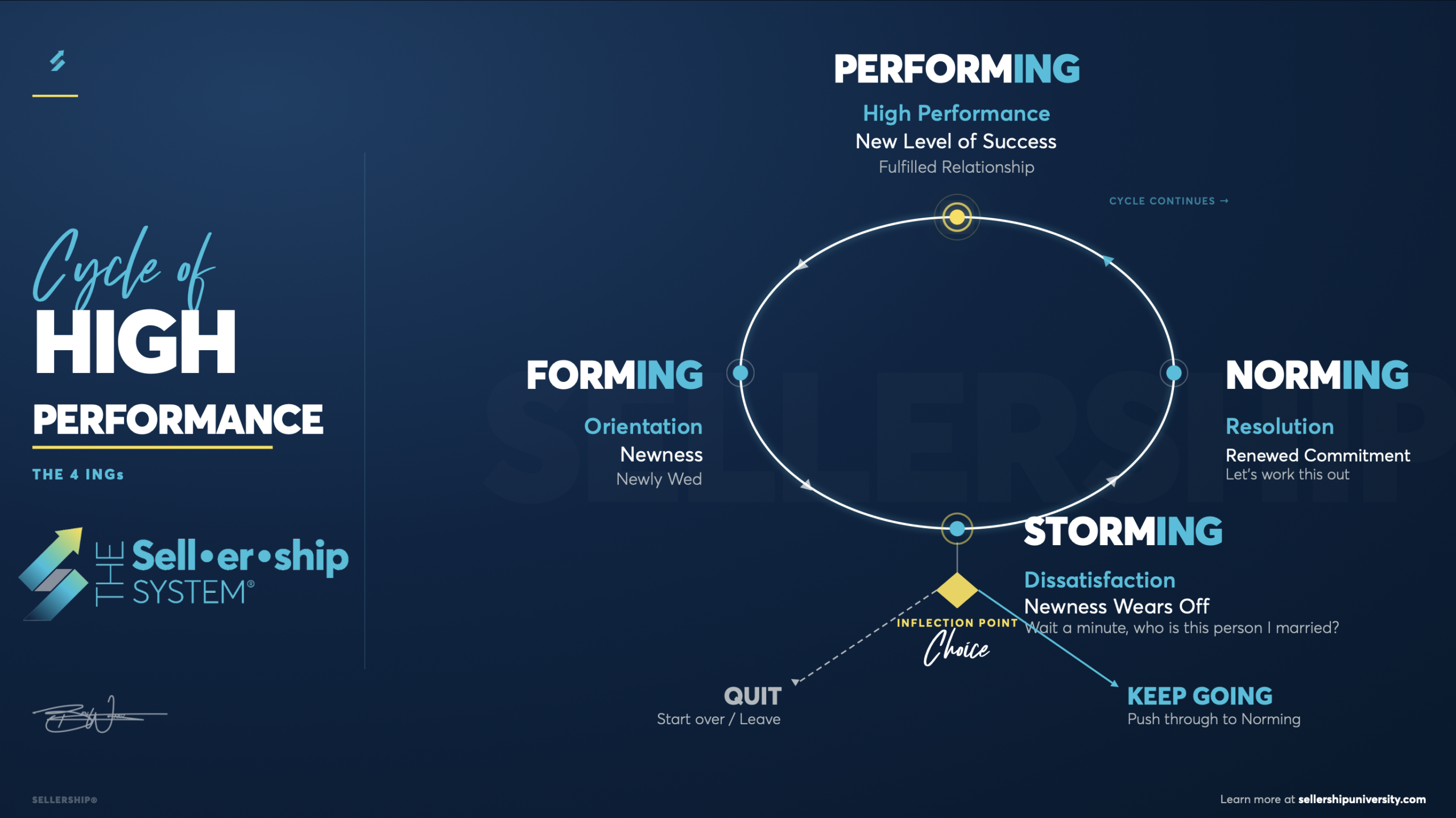
You Want to be ‘Soft Like a Brick’
The way to dismantle fake harmony and eat an elephant is through candid, caring conversations.
They won’t always be easy, but they’re always necessary.
To navigate these moments, my best advice is to be Soft Like a Brick:
Soft: The people you lead must know you care about them.
Brick: You must be willing and skilled to have the hard conversations.
It’s not one or the other. It’s both.
Be compassionate and firm. Care deeply, but stand strong.
It’s the spirit of I commit to not under lead you.
And I care enough about you to not leave you where you are.
Soft like a Brick is the balance that earns trust and transforms culture.
When Conflict Gets a Little Out of Hand
Sometimes, you’ll face some extra opposite, and passion boils over.
Two team members start going at it in a meeting, and everyone else gets uncomfortable.
That’s not always a bad thing.
What you’re seeing is engagement.
People who care enough to fight for what they believe in are an asset.
The goal isn’t to quiet the room.
It’s to channel that energy.
- Step in.
- Thank them for their passion.
- Remind everyone that disagreement is healthy, disrespect is not.
That’s how you turn conflict into collaboration.
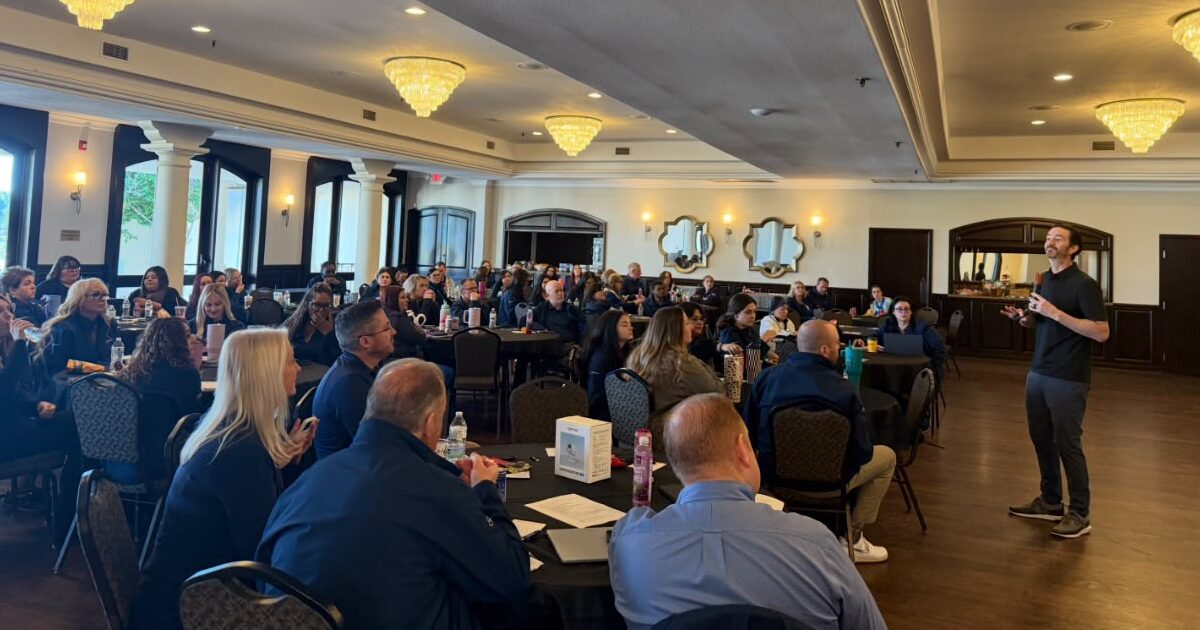
This is a window into a keynote where I go deeper into how to uproot artificial harmony.
Check it out here:
How to get rid of drama on your team and skyrocket results
The Payoff
When you choose to uproot artificial harmony, and fumigate the house through WEEFL and soft like a brick conversations, something powerful happens.
Trust grows. Respect deepens.
Healthy culture grows. Performance rises.
Challenge yourself to cut through the façade and uproot artificial harmony.
You’ve got this, my friend 🤝